
Diagnosis, the law, and why your horse's intimate health deserves taking seriously
A few years ago, a routine clean on my own gelding turned into something far from routine. What I found wasn't a bean, or a bit of stubborn smegma – it was a series of small growths and slightly raised lesions that turned out to be squamous cell carcinoma. It's the kind of moment that changes how you look at your job. Not because sheath cleaning suddenly became glamorous (it never was, and it never will be), but because it confirmed something I already believed: this is a health service, not a ‘valeting job.’
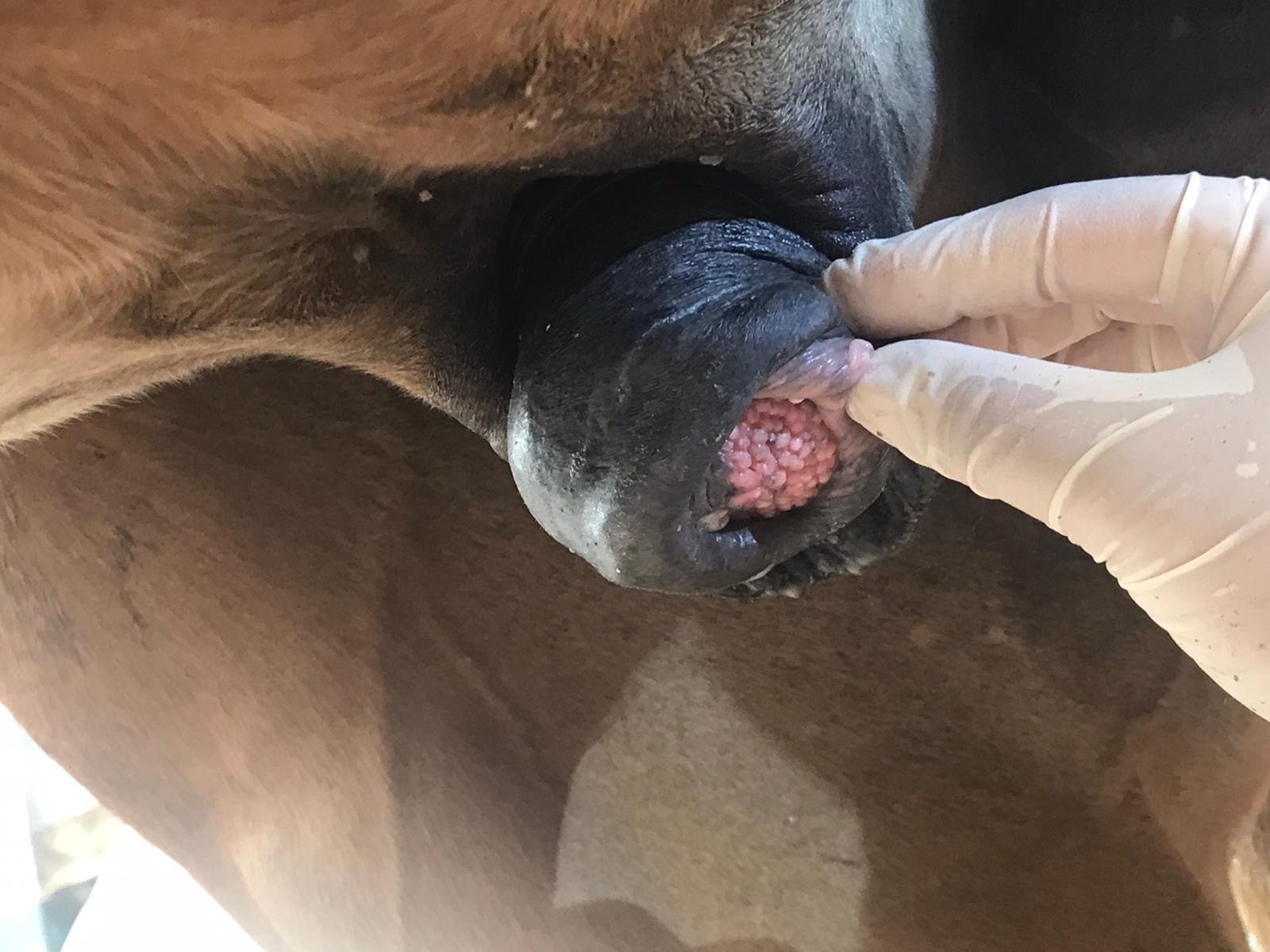
Look a little closer…
When we perform a clean we are checking for the obvious - The small raised lumps covering the tip of the penis. But we are also checking for the emall slightly raised lesions at the gloved finger tip, as well as ther small spread of ‘wart type’ growths surrounding the sheath and abdomen.
That distinction matters more than most owners realise, and it's exactly why diagnosis, and the law around it, deserves fifteen minutes of your reading time.
What "diagnosis" actually means here
There's a world of difference between a check and a diagnosis. A good intimate health practitioner checks: they clean, they look, they feel for anything that potentially shouldn't be there, and they know what "normal" looks like across hundreds of horses.
What they cannot legally do – and what any properly trained practitioner will never try to do – is diagnose. That means not stating a lump as being a certain condition, no starting treatment, and no reassuring you that a lump is "probably nothing."
That call belongs to a vet, every time.
This isn't box-ticking. Sarcoids, melanomas, insect bite reactions, and squamous cell carcinomas can all look deceptively similar to the untrained eye in their early stages – sometimes even to the trained one. Professor Derek Knottenbelt, who I've been fortunate enough to complete private CPD training with, has spent decades researching exactly this problem in his work on equine sarcoids and cancers. If a specialist of his standing treats early identification as a genuine clinical challenge, the rest of us have no business guessing.
What the law actually says
In the UK, the Veterinary Surgeons Act 1966 restricts the practice of veterinary surgery – which includes diagnosis, the giving of advice based on diagnosis, and treatment – to registered veterinary surgeons. Schedule 3 of the Act, along with later exemption orders, sets out a narrow list of what an owner, a carer, or a suitably experienced non-vet may carry out: essentially minor, non-invasive care that doesn't involve diagnosing disease or entering a body cavity. The Royal College of Veterinary Surgeons (RCVS) publishes the supporting guidance on exactly where that line sits.
In plain terms: an accredited practitioner can clean, check, and flag. A vet diagnoses and treats. Anyone offering to do more than that – on either side of the line – isn't doing you or your horse a favour, whatever it says on their van.
This is also why the industry being unregulated is such a live issue. There's currently no legal requirement for anyone to hold any qualification before offering a sheath or udder cleaning service. (although obtaining insurance can be tricky if your new to the industry without it!!)
That's precisely why I registered the Equine Intimate Health Federation (EIHF) as a not-for-profit industry body – to give owners a way to find practitioners who've actually been trained, share knowledge, are open to all regardless of location and competition with each other, and held to a standard of practice which includes CPD training with amazing professionals such as Professor Knottenbelt, rather than someone who's simply bought a sponge and a website.
Why it matters – beyond the paperwork
My gelding's diagnosis was caught early because the person cleaning him (in that instance, me) knew what didn't look right and referred straight to the vet rather than waiting to "see how it goes." That's the entire point of good practice: a trained eye that knows its limits is a horse's early warning system, not its diagnostician.
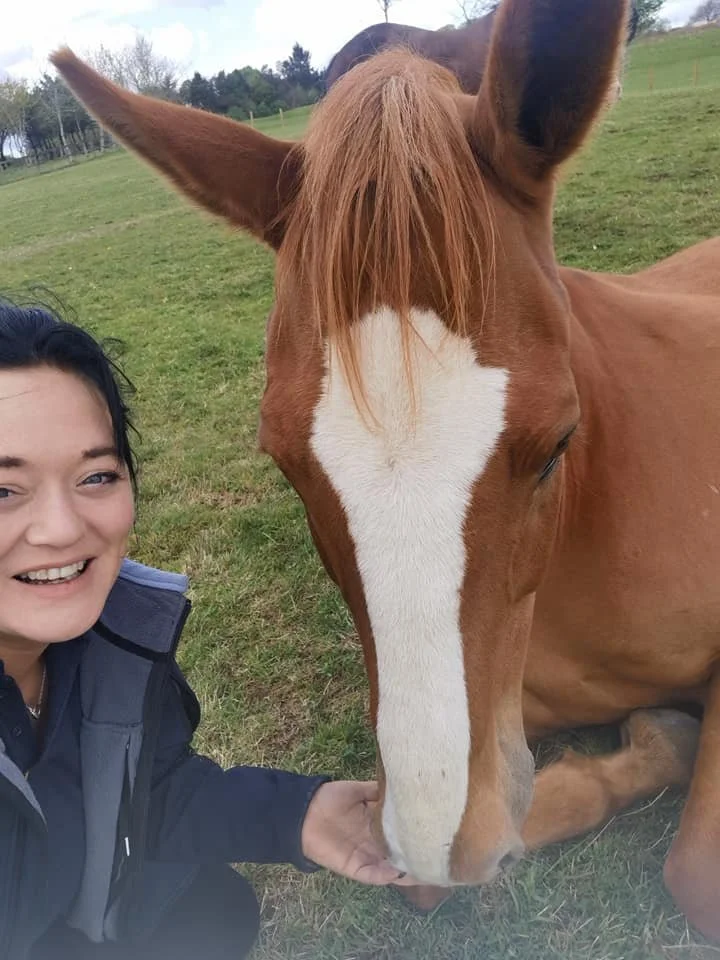
Lou & Me
This beautiful boy is no longer with us, despite treatment, we are unsure how long he had the cancer prior to me purchasing him and so it had advanced. He enjoyed another 5 years cancer free before sadly he had to be put to sleep.
Equine genital squamous cell carcinoma is linked to factors including smegma accumulation, UV exposure, and papillomavirus infection, and in its early stages it can present as something as unassuming as a whitish plaque or a small wart-like lesion. Left unchecked, it doesn't stay small. The same is true of sarcoids and other growths in this area. None of this is meant to alarm you – most lumps and bumps found during a clean are entirely benign – but it's exactly why routine checks by someone who knows what they're looking at are worth having, and why any concern gets referred rather than guessed at (including by us!)
Why accreditation, insurance, and vet collaboration all matter
When you're choosing who cleans and checks your horse, three things are worth asking about:
Training: has this person completed accredited training, or are they self-taught? EIHF-accredited practitioners complete a structured course, assessments, and a practical evaluation before they're signed off. Like many other long standing practitioners in the industry, there was previously no training available, perhaps a quick ‘run through’ by a friend or vet when they popped out. Never before was there a fully structured and audited training.
Insurance: are they covered by public liability and professional insurance for this specific work? Specialist providers such as KBIS offer policies designed for exactly this kind of equine professional work, often through membership bodies like the British Grooms Association.
Vet relationships: does this person work alongside vets, referring promptly and without ego, or do they position themselves as an alternative to veterinary care? It should always be the former.
I say this as someone with over a decade in this industry, as the founder of the EIHF, and as the only provider currently running accredited training of this kind in the UK – and, as far as we've been able to establish, globally. None of that replaces a vet. It simply means the person doing the checking has the knowledge to know when to hand over to one, and the humility to actually do it.
What to do next
If it's been more than six to twelve months since your horse's last professional check, that's a good place to start – not because something is necessarily wrong, but because a proper check is how you'd know either way.
You can book a visit at book.harris-equine.co.uk. If you're a groom, yard owner, or fellow professional curious about training to do this properly yourself, you'll find the accredited course at learn.harris-equine.co.uk.
And if in doubt about anything you find, on your horse or on someone else's advice: call your vet. They're not the last resort here. They're the whole point.
Best,
Stacy - Harris Equine Ltd
